The Wackiest Scientific Discoveries That Sound Like Jokes
Recent Trends: From Lab Bench to Clickbait
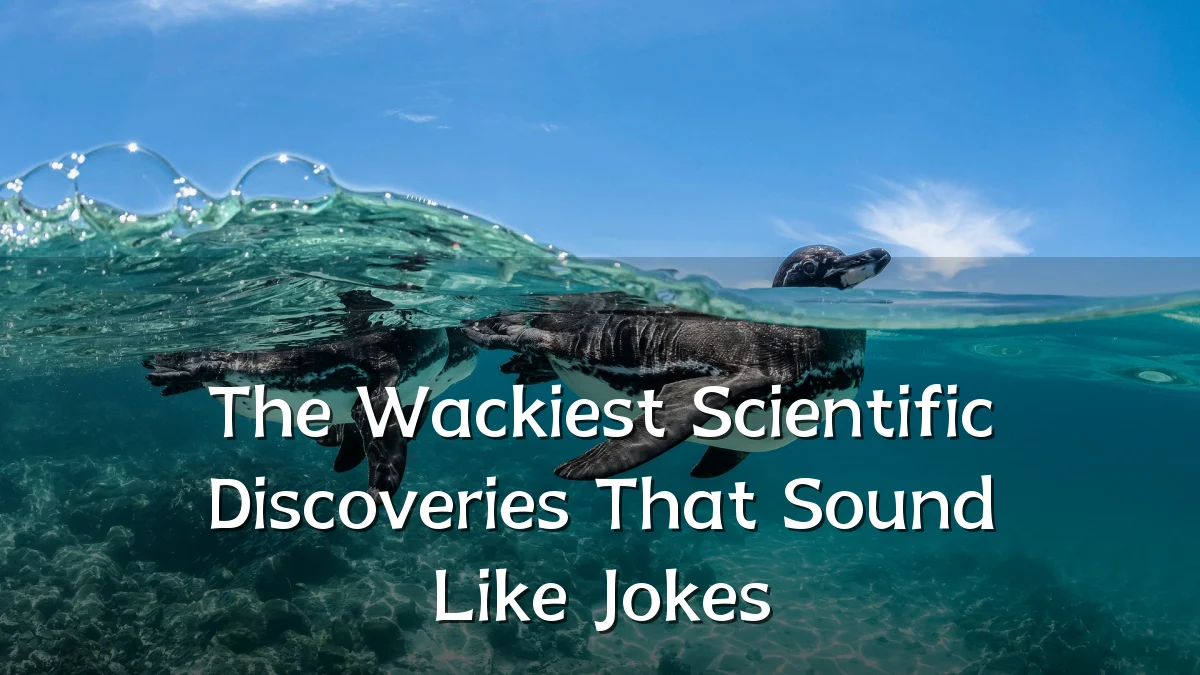
Over the past few years, a growing number of science communication sites have leaned into the “informational amusement” format — presenting real research findings alongside playful commentary. This hybrid approach caters to audiences who want verifiable facts but also enjoy the absurdity of nature. Viral lists of seemingly comical discoveries (e.g., a study on whether kangaroos use their tails like a fifth leg, or research showing that penguins use fart bubbles to avoid predators) have become staple content, often outperforming traditional explainer articles in engagement metrics.

Key characteristics of this trend include:
- Short, punchy headlines that highlight the humorous angle
- Lighthearted tone that still cites peer-reviewed journals
- Heavy use of shareable lists or side-by-side comparisons
- Integration of GIFs, memes, or sarcastic footnotes
Background: The Rise of the “Informational Amusement” Page
The concept is not new — Popular Science and New Scientist ran quirky science columns for decades. What changed was the internet’s appetite for digestible, reward-driven content. Sites like IFLScience and ScienceAlert refined a formula: take a credible but odd finding, explain it in one or two sentences, then frame it with a punchline. The financial incentive is clear — these pages attract high traffic, low bounce rates, and strong social media sharing, especially among younger demographics who prefer learning through entertainment.

Notable foundations of this genre include:
- Research on how male pigeon feces speeds up seed germination
- Studies showing that some frogs glisten like disco balls
- Behavioral experiments where hermit crabs “punch” each other to steal shells
Each discovery is real, but the presentation deliberately amplifies the “wait, that can’t be serious” reaction.
User Concerns: Credibility in the “Wait, Really?” Zone
While these pages entertain, they also raise legitimate worries among both casual readers and educators. The main concerns break down into three areas:
- Misinterpretation risk – A humorous framing can make a discovery seem like a prank, causing readers to dismiss real science or, conversely, to repeat a finding without understanding its context.
- Source dilution – Heavy editing for laughs sometimes removes critical caveats — such as small sample sizes, animal welfare limitations, or the fact that a result might be a statistical fluke.
- Algorithmic cherry-picking – Platforms reward the weirdest headlines, which can skew public perception of what science actually investigates (e.g., “90% of studies are about dung beetles” is a common sarcastic complaint).
Readers who regularly consume informational amusement pages may struggle to distinguish between a well-established oddity and a preliminary observation that later failed replication.
Likely Impact: Entertainment Without Undermining Trust
If executed responsibly, the “wacky science” genre can actually reinforce public trust in research. Several outcomes are plausible:
- Increased curiosity – A joke headline prompts a reader to click, then read the full study — leading to deeper engagement.
- Normalization of scientific inquiry – Presenting scientists as people who ask “silly” questions makes the field feel less intimidating.
- Potential for correction – Because the format is fast and shareable, corrections and retractions also spread quickly.
On the negative side, legacy media may further reduce funding for long-form science journalism, as the cheap-to-produce amusement pages capture the same ad revenue. Researchers also report pressure from press offices to frame their work as “weird” to secure coverage, even when the underlying significance is much broader.
What to Watch Next: The Evolution of Science Entertainment
As AI-generated storytelling tools mature, expect the line between amusement and misinformation to blur further. Key developments to monitor include:
- Fact-checking integrations – Some platforms are experimenting with automatic endnotes that link back to original study data.
- User-generated wackiness – TikTok’s “science satire” trend where creators animate or reenact bizarre abstracts from real papers.
- Publisher strategies – Watch for legacy outlets (National Geographic, BBC Future) to spin off dedicated “weird science” subdomains with stricter editorial controls.
- Platform moderation – Whether social media algorithms will continue to reward novelty over nuance, or if they will push for context labels on surprising claims.
The informational amusement page is not going away. Its long-term value will depend on how well producers balance the joke with the journal — and how thoroughly readers learn to laugh without losing sight of the lab.