What Nobody Tells You About Moving to a New City: My First Year in Tokyo
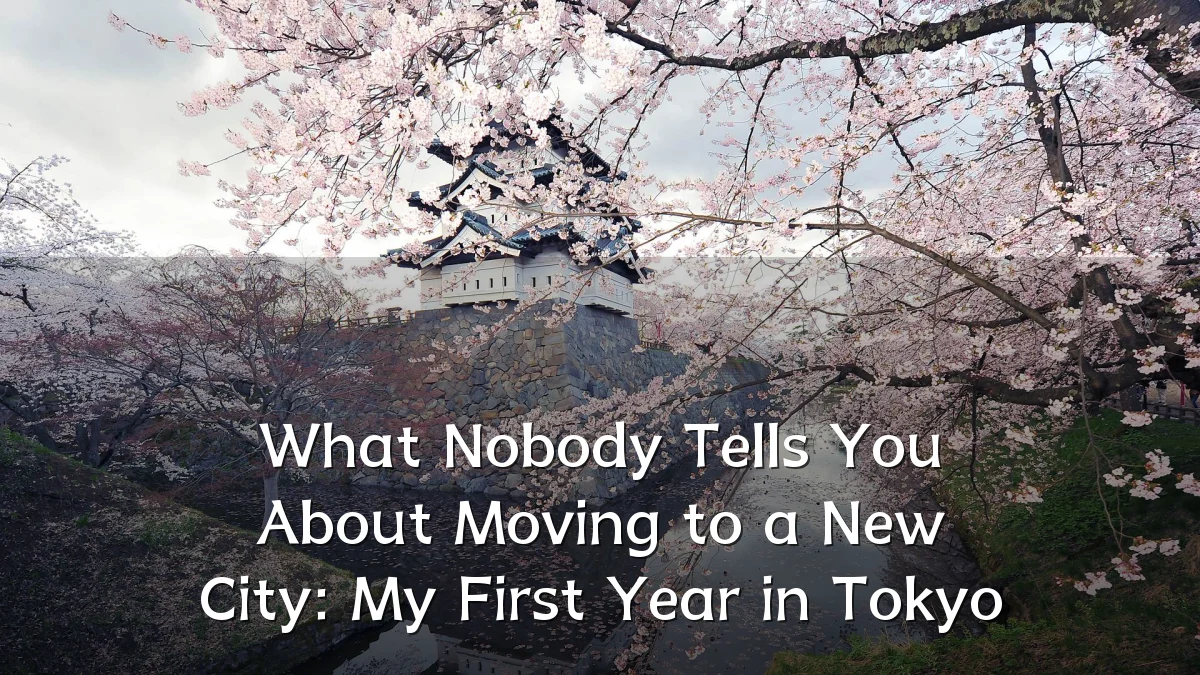
Recent Trends
In the past few years, Tokyo has seen a steady influx of digital nomads, students, and career-changers drawn by its blend of tradition and hyper-modernity. Personal essays recounting the first-year experience have become a popular online genre, often highlighting unspoken challenges. Readership for these narratives has grown alongside interest in remote work and Japan’s relatively open long-term visitor policies for certain nationalities.

- Rise in first-person accounts on platforms like Medium and Substack.
- Increased searches for “moving to Tokyo alone” and “Tokyo expat reality.”
- More cultural exchange programs and language school enrolments reported by industry observers.
Background
Tokyo is a city of contradictions: ultramodern trains and ancient shrines, crowded streets and profound solitude. For decades, it has been a magnet for foreigners seeking professional opportunities or a fresh start. However, the gap between glossy tourism brochures and day‑to‑day life can be wide. Common preparatory advice focuses on paperwork, cost of living, and learning basic Japanese—but rarely addresses the emotional and psychological adjustments required.

Personal essays about the first year often fill this void. They detail moments of isolation, communication breakdowns, and the slow process of building a support network. These narratives serve as informal guides for prospective movers who want more than official checklists.
User Concerns
Based on recurring themes in such essays and community forums, key concerns include:
- Loneliness and social isolation – initial difficulty making local friends due to language barriers and cultural norms.
- Housing hurdles – guarantor requirements, key money, and limited English‑friendly rental listings.
- Bureaucracy and paperwork – resident registration, health insurance, and bank account setup can be slow without Japanese fluency.
- Hidden costs – utilities, commuting, and grocery expenses that differ from overseas expectations.
- Work‑life balance – long hours or rigid workplace cultures that surprise newcomers.
Likely Impact
Honest personal essays can shift how prospective expats prepare for a move. When widely shared, they may contribute to:
- More realistic expectations among newcomers, reducing early‑stage frustration.
- Growth of peer support groups – both online and in‑person – that address topics like mental health in Tokyo.
- Pressure on service providers (real estate agencies, relocation firms) to improve transparency for foreigners.
- Increased attention from local governments on creating multilingual resources or cultural integration programs.
For the essay genre itself, demand for non‑romanticised narratives could lead to a broader range of voices from different backgrounds and neighbourhoods, not just the typical expat enclave experience.
What to Watch Next
As Tokyo’s popularity among remote workers and students continues, several developments are worth tracking:
- Visa policy adjustments – Japan recently introduced a digital nomad visa; uptake and extension rules will affect long‑term stays.
- Housing market shifts – rising rents in central wards may push newcomers to less‑central (but still connected) areas.
- Community platforms – emergence of neighbourhood‑based apps or meetups aimed at reducing isolation during the critical first year.
- Mental health resources – expansion of English‑speaking counselling services and crisis lines.
- Media representation – how mainstream journalism and social media portray the trade‑offs of Tokyo life versus polished influencer content.
Ultimately, the “first year” essay serves as a reality check. Whether it encourages or discourages a move depends on how well a reader weighs the insights against their own circumstances.